Socionics · EIE · XNFJ_1363/100
Introduction
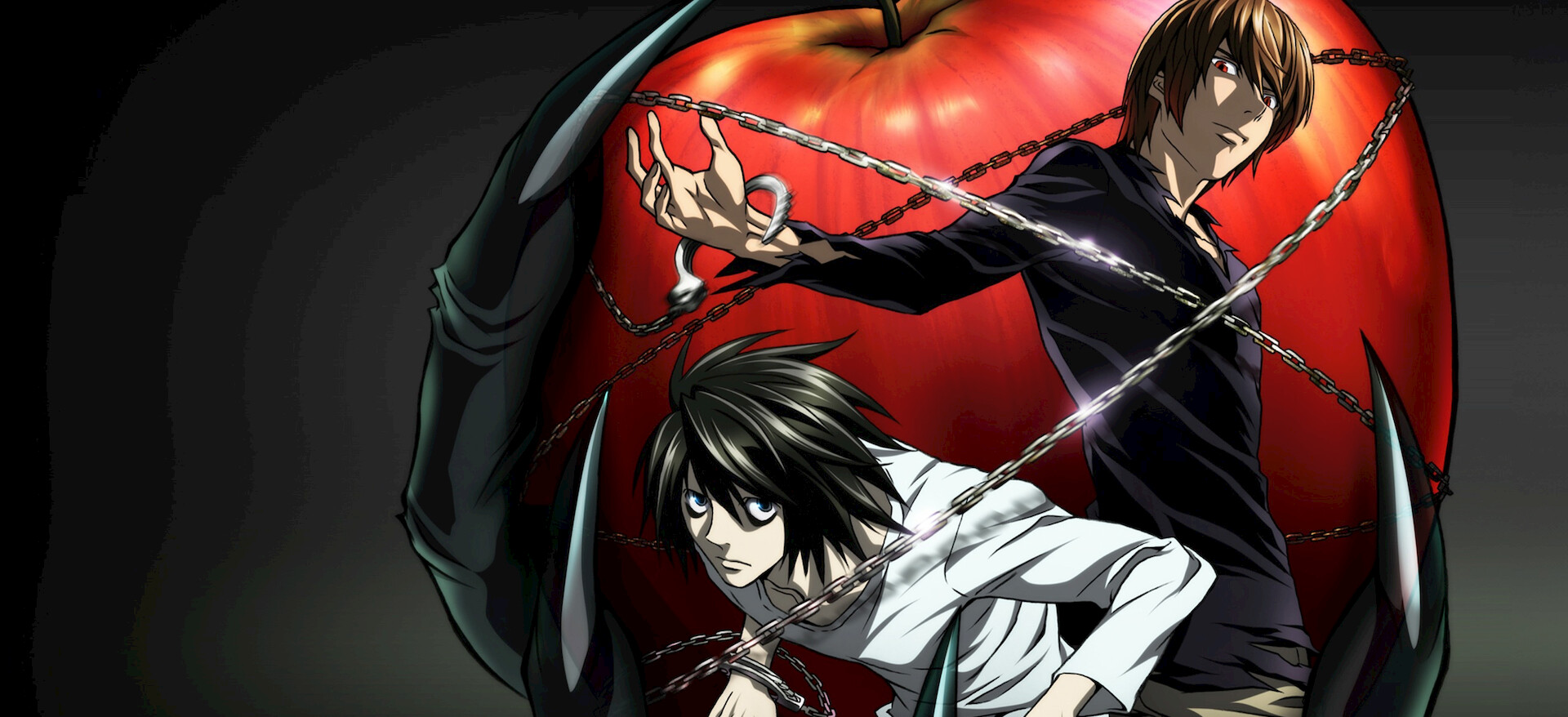
To begin with, Light is obviously an ethical type, all of his concerns are ethical and he has a very good understanding of ethical dynamics and how it affects the bigger picture. Light’s manipulation skills are all ethical, emotional and sentimental. Only a type with Fe as a Leading element would be that good at understanding the emotional atmosphere and how to control it and influence it, and that’s exactly what Light does. Other than that, Light’s goals are all Fe oriented, he wants to bring a collective greater good for humanity, to put himself as a savior, and as the one who will protect the innocents, those who fear evil, as he says. Light is a very obvious EIE, and here is why.
Fe, first of all, is focused on the emotions of others, and how to impact it and change it according to what they think would be ethically appropriate, keep in mind that we are talking about a character which is constantly manipulating the emotional atmosphere and calming others and their suspicion down, Light would have been arrested by L much earlier if he didn’t know how to control his emotions, and how to make everyone feel comfortable and trust him, while they had all of the reasons to suspect of him, he knew how to calm them down and maintain the emotional atmosphere stable and trusting.
According to The Socion, we can see that EIEs have Fe(-), which includes balancing people’s emotional state, to remove people from a state of complacency, apathy, anxiety, and this is also why the EIE is the LSI’s dual, we will talk about this later. This can also be seen in characters like Lelouch vi Britannia, who is constantly controlling people’s emotional state and moods in favor of a higher collective goodness that he judges to be the right option for the world. And he does it by calming people down and making them trust him, instead of cheering people up, the latter would fall under Fe(+), which is something ESEs (Misa Amane) and IEEs do, for example. Everything I just wrote is confirmed and proved by how Light manipulated Naomi Misora’s feelings and the feelings and emotions of Misa Amane and Kyomi Takada for him, and Rem’s as well. Every kind of fight Light won was emotional because of how good and better than anyone there he is at doing this, because Light is an ethical type with a very strong emotional range and understanding.
Fe also gathers information about people’s inner impulses and Leading Fe types judge if these impulses are ethical or not, Light believes that “the world is rotten” and “people are rotten”, this is Fe, it’s about if people’s internal motion and impulses are good or evil, and EIEs often have a negativistic view on these matters, just as he does.
With that in mind, we can already understand why Light is a Leading Fe type, and that is important. Other than that, we know that Light is extremely theatrical and dramatic, he is constantly performing and behaving as if he was a kind of superior being, even the way he writes names in the Death Note is theatrical and dramatic, we’re talking about a character that puts himself above everyone and everything and defines what impulses are ethical and what aren’t, and what should be implemented and what shouldn’t, a character that puts himself above everything and decides what is the right and wrong to do ethically, and how to punish people who defy these ethics. Here, we are not only talking about an EIE, but about the Extraverted Feeling type, this type judges and adheres to societal ethics and they decide what is good and bad for people on a global scale, what Light did since the beginning was to have the desire to create a new world for everyone, for the innocent people, he says in the beginning that everyone wants it but they are too afraid to say it out loud, in public, because it is controversial to say that killing criminals would be good. This character understands ethical consequences and people’s feelings and emotions very well, and also human nature.
The character’s quotes
Here are some quotes of him that confirms everything I have said so far:
“In human society, there are very few people who truly trust each other.” – Light Yagami
“Under normal circumstances, humans should have continued to evolve as the greatest creatures upon this earth, but we were actually regressing. A rotten world. Politics, law, education... Was there anybody around who could correct this world? But someone had to do it.” – Light Yagami
“I’m ridding the world of evil and creating a utopia.” – Light Yagami
“This world is rotten, and those who are making it rot deserve to die.” – Light Yagami
“The thing I hate the most is to trample on other people’s goodwill.” – Light Yagami
“I’ll make you trust me. And when you’ve told me everything I need to know, I’ll kill you.” – Light Yagami
Ethics
The following quote proves what I am talking about Light and how this is related to an ethical type:
“Ethical types manipulate the feelings and emotions of others, so for them, “true” and “untrue” are relative. Often, what becomes “true” is that which other people find pleasant, which charms others and elevates an ethical type, thus making them a pleasant person in others’ eyes.”
This is to demystify that ethical types can’t act logical, in fact, they are normative with logic:
“The same can be said about logic. The logic of all ethical types is normative. They strictly follow all logical norms and care a lot about what is scientific or at least commonly accepted. This is because they do not discover or invent new logical relations or methods of action.”
And this quote alone contradicts Light as a logical type by itself:
“The strength of ethical types manifests in relation to people, while the strength of logical types manifests in relation to the objective world. Ethical types are unsure of their ability to do something objectively valuable, while logical types do not know how others see them, nor do they know what rights they have to other people.”
“A logical type tries to do everything on their own. They prove the fact that other people need them through actions: “look at what I have done, and give me the acceptance and credit I deserve.” An ethical type feels that others need them, they know how to build relationships with others and how to manipulate their feelings or emotions. An ethical type does not doubt their rights to other people. However, they are constantly unsure of their own strength and abilities, which they spend a lot of time passively pondering and agonizing over when left alone.”
Light never tried to prove that other people need him because of his actions or results, no. That’s what L, a logical type, does, or Soichiro, another logical type, does. Light already feels that others need him by default and sets up ethics and manipulates their feelings and emotions and he does not doubt his right to do so. Light is completely ethical and that’s not up for debate.
Light’s intellect and intelligence don’t come from any kind of strong logical IM, but from his strong intuition and his normativity with his Role Te. While for Light’s Ti, it’s suggestive, Light is not a consistent or hierarchical individual, he breaks his own code many times and he does not even realize this or how this makes him or his ideology inconsistent. Ti measures fields of interactions between objects, a.k.a if two objects can or not occupy the same space, which is why Ti cares about the consistency of information and they can tell very well when something is wrong or not in these terms. Light can’t, his Ti is on the Superid, which is weak and unconscious.
Source: https://classicsocionics.wordpress.com/logic-ethics/