Classic Jung · IT(N) · Mallicknight68/100
Opening note:
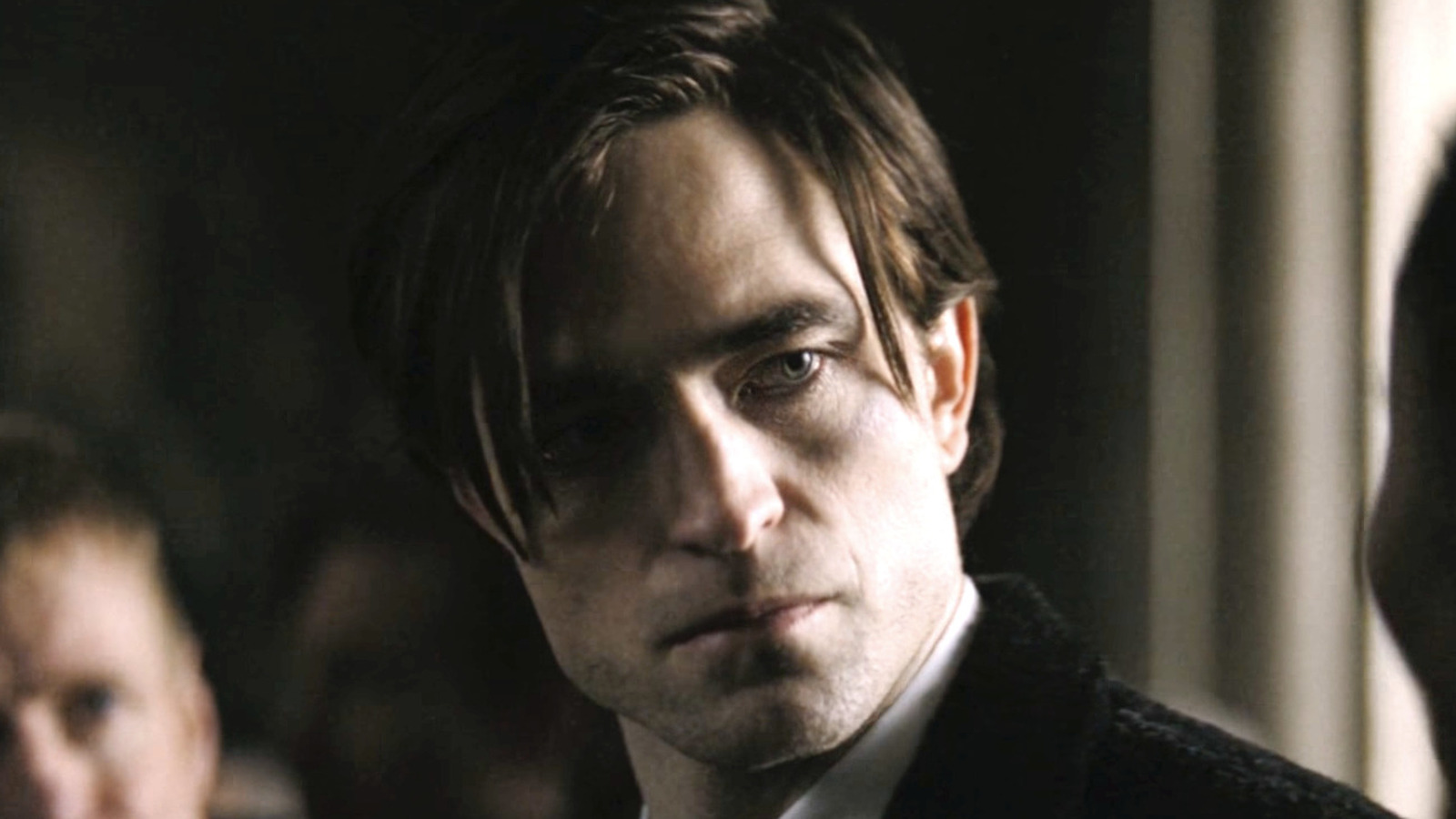
This analysis is written keeping Bruce Wayne a.k.a. Batman from "The Batman (2022)" as the subject of focus. Every argument made involves what was depicted in the movie, and texts in Psychological Types Chapter X by Carl Gustav Jung. This version of Bruce Wayne comes closest to the INTP type as per the presented arguments.
Ti (Dominant function):
Jung defines Ti (introverted thinking) as the function that orients around the subjective logic, while dominant function is the most conscious and differentiated function, defining general worldview of a person. This version of Bruce Wayne is very specifically portrayed as a detective one. His general lens to view world goes through logic, cause & effects. A majority of the movie's clips show him just investigating, even those who raise even a minor suspicion like Selina Kyle (Catwoman) and her Russian friend. And other times solving puzzles being accompanied by Gordon or Alfred. Later afterwards also following puzzled trails by The Riddler. And these investigations orient around subjective factor by not just taking observations as factual evidence, but digging deeper into what has been observed, understanding inner motives of people and events.
Ne (Auxiliary function):
Jung defines Ne (extroverted intuition) as the function that orients around objective unconscious images, while auxiliary function is comparatively less conscious function than dominant, supporting it instead of replacing it. That's very much of the case for how Bruce Wayne generally operated. Every investigation he followed, and clues he found were ultimately connected to observe an externally larger hidden web in areas of investigation. For example, the whole investigation on The Riddler followed a large trail of gathering information like riddles (by The Riddler), murdered elites, and crime scenes, then digging deep into them to connect all dots and understand whole picture of what's going on and understand the serial killing pattern.
Si (Tertiary function):
Jung defines Si (introverted sensing) as the function that orients around subjective sensation, while tertiary function is a less differentiated and immature function which might often become a blind spot. This is well supported in case of Bruce, as he is shown as a young and frustrated man with a deliberate weaker physique, sleep deprivation, and even wearing sunglasses in daylight to protect his eyes which are used to darkness of night where he investigates. These show a blind spot for internal bodily sensations, and understanding how sensations are perceived by the body of subject. Bruce constantly neglected physical health and related aspects, not because he is unwell or indiscipline, quite the opposite, but because he consciously prefers Ne as the superior perceiving function (Ne opposes Si on same axis).
Fe (Inferior function):
Jung defines Fe (extroverted feeling) as the function that orients around the objective values, while inferior function is the function repressed by the dominant function to let itself function. This is where things get interesting. Throughout it is shown how Batman rather than a symbol of "hope", becomes a symbol of "fear". Many criminals including The Riddler (the antagonist of the movie) is inspured by how he operates with fear. Bruce neglects the objective values, even being so brooding and obsessed with his investigations that the candidate for mayor election complains him regarding why Wayne foundation stopped funding orphanages, while he doesn't bother about it much after that brief conversation. And at the end of the movie, we see that repressed Fe compensating for its supression, where with an emotional interaction people injured from flood, Bruce understands that he must become a symbol of hope to inspire people.
Counter-argument against ISTP:
This is the closest type to INTP and often what most Batman versions depict. But an ISTP batman version like Nolan's is shown as using terrifying physical appearance deliberately, using more force than intellect, and understanding themes like fear, loss, and corruption through direct physical experiences. This version of Batman understands underlying logical structures and connects them intuitively (Ne) to see hidden patterns they make. This is what seperates him from most versions of Batman.
Counter-argument against INFP/ISFP:
Batman as INFP or ISFP (Fi-dominant) might be compelling given how melancholic and brooding this version is shown, followed by sevre trauma and critique of rotten system. But they automatically doesn't make him an Fi-dominant Batman. Reason is that both feeling functions (Fi & Fe) is about affinity and values. While Bruce has a moral code he follows and a traumatic past which makes him intense, but his default orientation is still about understanding underlying logic and motives, coloring with worldview what's structural, not emotional.
Counter-argument against INTJ:
INTJs are dominant in Ni (introverted intuiton) which Jung defines as perception of subjective unconscious images. Which means perception of hidden potentials, latent patterns, and whatever can't be directly perceived through raw sensation. However, this Batman is shown as someone who relies heavily on concrete logical evidences. Some might point towards his ability in quickly solving complicated riddles, but ability is not orientation, which Jung clearly warned about.
Counter-argument against ENTJ/ESTJ:
Te-dominant types are also logical personality types like ISTP & INTP, but their logic are objective and consider what's observable evidence to organize external systems. Batman wasn't organizing external systems or taking help from responsible function. Instead he was digging deep into investigation subjects to understand their inner structure, and later connect dots using extroverted intuition. With Te-dominant Batman, we could have expected more direct evidence driven Batman than someone who looks through what holds whole mechanism as in this version.